
Tarte Tatin
The Accident That Wasn't

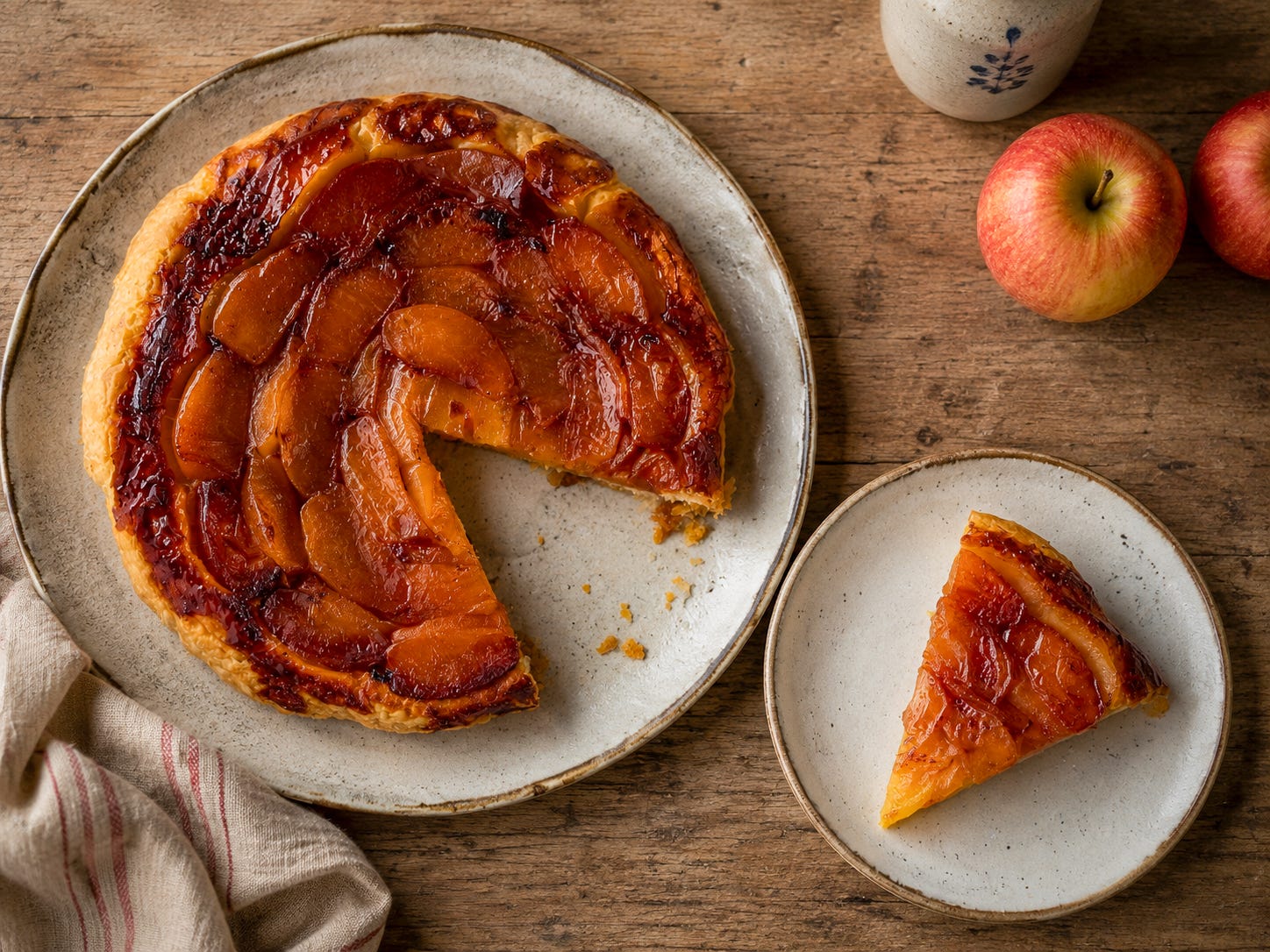
Few dishes carry a better story than Tarte Tatin. The familiar one goes like this: a harried cook, a pan of forgotten apples, a flash of improvisation, and one of the great desserts of the French repertoire is born. It is the kind of origin myth France does particularly well, tidy enough to be repeated after lunch and suspicious enough to deserve a second glass of wine.
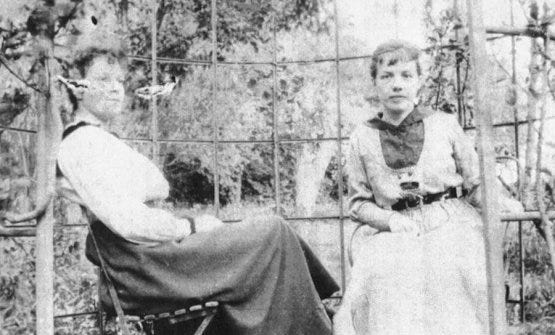
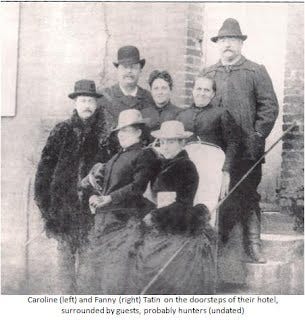
The story centers on the Tatin family and their hotel in Lamotte-Beuvron, a small market town about 100 miles south of Paris in the Sologne. Jean Tatin opened l’Hôtel Tatin sometime in the mid-1800s. When he died, his two daughters took over: Caroline managed the books, and Stéphanie, known as Fanny, ran the kitchen. By all accounts, Fanny was a gifted cook. Her apple tart, served caramelized and still warm, was the sort of thing people remembered.
The region was prime hunting country, and the hotel filled up during the season. The legend holds that one afternoon, distracted by a handsome hunter, Fanny forgot the apples she'd set to caramelize. When the smell of browning sugar reached her, she threw a circle of pastry over the top and pushed the pan into the oven. The result, inverted onto a plate, brought the dining room to attention.
Word traveled, as it does when butter and sugar are involved. Curnonsky, the era’s most influential gastronome, declared it a marvel. The owner of Maxim’s, apparently unwilling to simply ask for the recipe like a civilized person, allegedly dispatched a cook disguised as a gardener to Lamotte-Beuvron to steal it. The story has all the elements of a useful fable: jealousy, espionage, and Paris raiding the provinces for dessert.
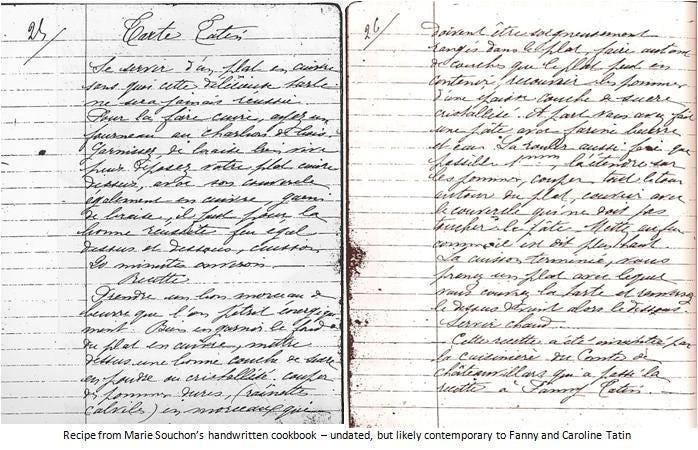
But the accident story may be just that. Upside-down apple tarts existed in the Sologne long before the Tatins made them famous. The sisters themselves called their tart tarte solognote, after the regional specialty. The most revealing clue comes not from legend but from the earliest known written recipe, set down by Marie Souchon, a schoolteacher in Lamotte-Beuvron and friend of the sisters:
“Use a copper dish, without which one cannot make this delicious tarte. You will also need a coal-fired stove well stocked with embers. Rest your copper dish on top, and place embers over the lid of the dish since you will need equal heat from above and below to be successful.
Take a good chunk of butter and knead it vigorously. Spread it over the bottom of your copper dish, and cover generously with a layer of sugar. Cut up pippin or calvile apples, and place them carefully into your dish. Put as many layers as the dish will hold. Cover the apples with a thick layer of sugar. Separately, prepare a dough with flour, butter, and water. Roll it out as thinly as possible, about 1 millimeter (3/64”). Cover the apples and trim the dough around the dish. Cover with the lid, which must not touch the dough. Bake as mentioned above. Once done, cover the tarte with a serving dish and flip it upside down. Eat warm.”
At the bottom of the recipe, Souchon added a note that changes the whole picture: “This recipe was invented by the cook of the Count of Chateauvillard, who passed it on to Fanny Tatin.”
The Count was real. Born in 1827 into a wealthy Parisian family, he devoted himself with admirable consistency to fishing, shooting, and the slow erosion of his inheritance. In 1872 he purchased the Château de Tracy, a 75-acre estate about 3 miles from Lamotte-Beuvron, and kept it for five years before moving on to whatever came next. Of the cook who worked for him there, almost nothing survives. The Count died in 1880 without heirs, which, given his lifestyle, was perhaps not surprising. Whether his cook eventually joined the hotel staff, whether she and Fanny ever stood together over an apple and a copper pan, no one can say. History, in this case, has the good manners to stay quiet.
What we can say is this: Tarte Tatin did not appear from nowhere. It came out of a particular landscape, a particular larder, and the hands of cooks whose names we mostly don’t know. That it ended up on the menus of Paris, and eventually the world, is less about a moment of kitchen panic than about a long tradition of knowing how to treat an apple.
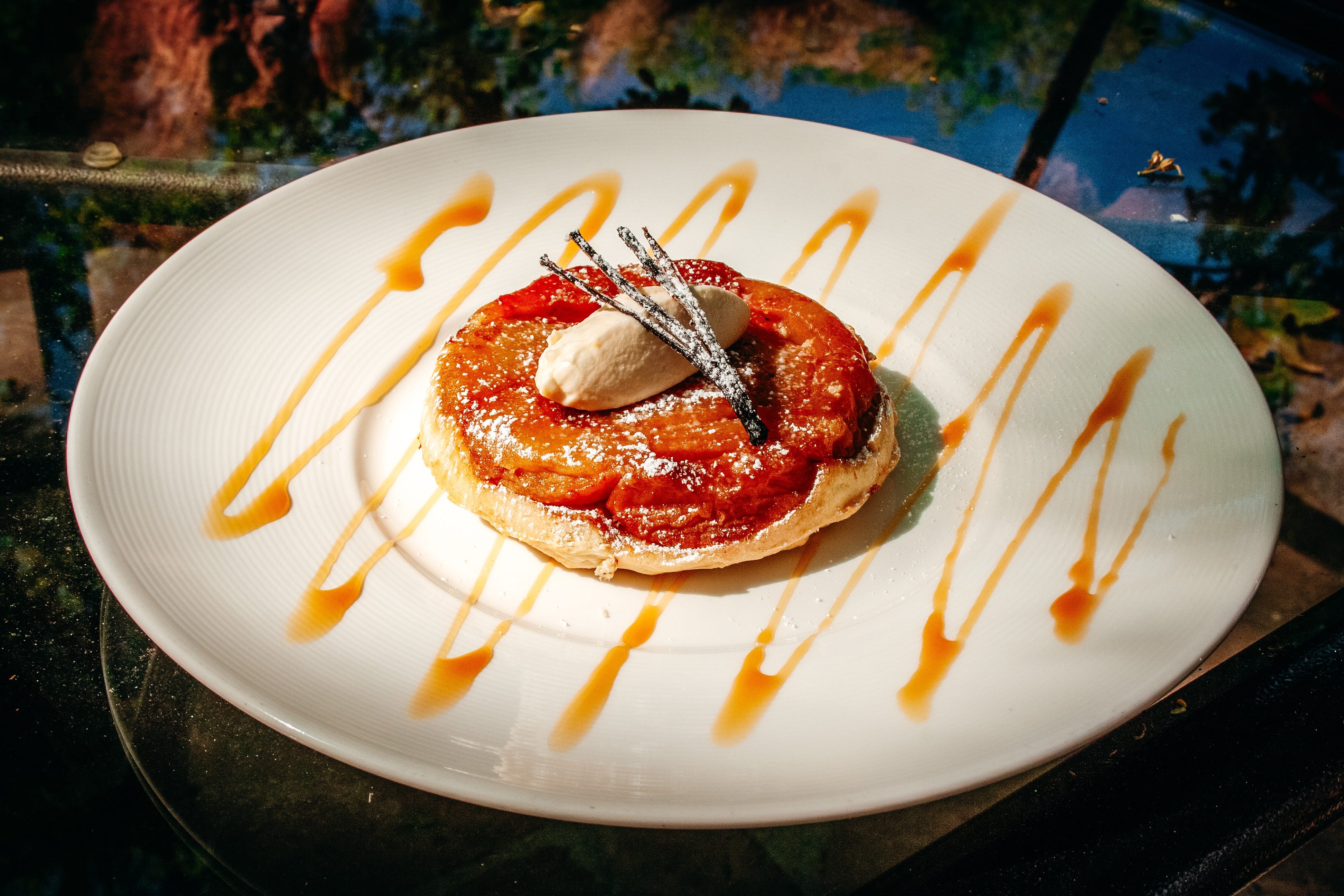
Here are three versions I make often.
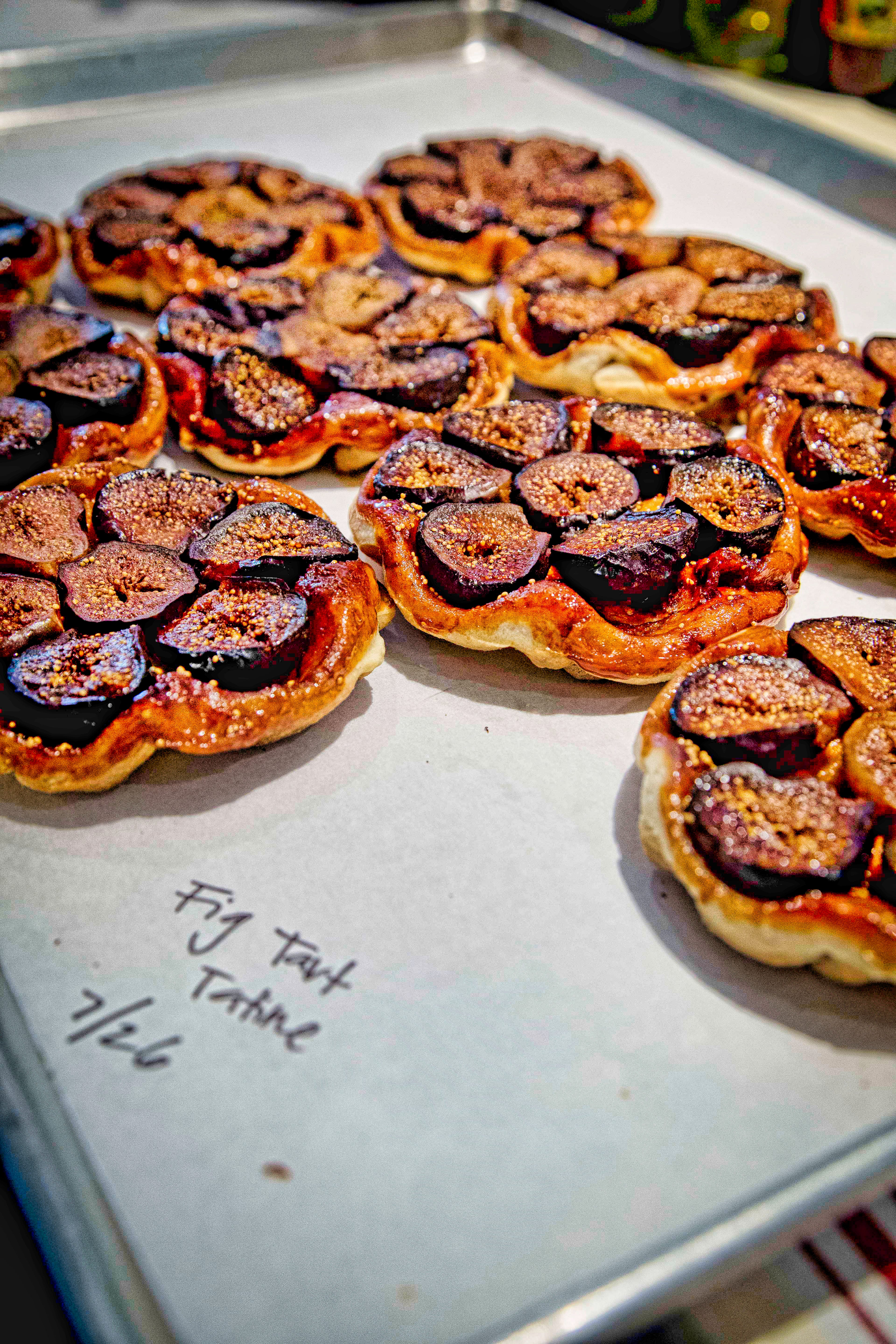
My mother Mishou loved tartes above almost everything else, and tarte tatins most of all. Over the course of my career I made them in her honor with traditional apples, mirabelles (the tiny yellow plums she adored), figs, and eventually artichokes. Here are three versions I return to often.
A Note on the Recipes
The first is Mishou’s version, the one I grew up eating. The second pairs apples with cheese, which sounds eccentric until you taste it. The third abandons apples entirely for artichokes, fennel, and tapenade. All three use the same inverted logic and the same moment of faith when you flip the pan.
My Mother’s Tarte Tatin
Prep: 30 minutes | Cook: 35 minutes | Makes: one 12-inch tart, serves 6 to 8
Ingredients
For the dough:
12 ounces (340 g) all-purpose flour
¾ teaspoon salt
1 teaspoon baking powder
8 ounces (226 g) cold unsalted butter, diced
up to ½ cup (120 ml) ice-cold water
For the apples:
¾ cup (150 g) sugar
¼ cup (57 g) unsalted butter
8 Granny Smith apples, peeled and cut into eighths
Zest of 1 orange
1 pinch cinnamon
Instructions
To make the dough, in a food processor, pulse the flour, baking powder, and salt together. Add the butter and pulse until the mixture looks like coarse cornmeal. With the motor running, add just enough ice water through the feed tube so that the dough forms into a loose ball. Gather the dough into a ball, cover with plastic wrap, and let it rest for 1 full hour or overnight in the refrigerator.
Preheat the oven to 500°F (260°C).
To make the apples, in a large, heavy ovenproof skillet over medium heat, melt the butter until foamy. Add the sugar and cook, stirring occasionally, until it starts to caramelize and turn light brown, about 5 minutes. Stir in the apples, orange zest, and cinnamon until well coated. Cook, stirring occasionally, until the apples start to brown, about 10 minutes. Remove from the heat and arrange the apple slices in circles in the pan.
On a floured surface, roll the dough out to a 12-inch (30 cm) circle. Top the apples with the dough, tucking the edges in around the sides of the pan. Bake until the crust is golden brown, 10 to 15 minutes.
Let cool for 20 to 30 minutes. Flip the tarte onto a serving plate, dust with powdered sugar, and serve immediately.
Apple and Cheese Tarte Tatin
Prep: 20 minutes | Cook: 35 minutes | Makes: one 12-inch tart, serves 6
Ingredients
3 tablespoons unsalted butter
2 tablespoons granulated sugar
4 Granny Smith apples, peeled and cut into eighths
2 tablespoons Calvados (optional)
1 wheel Camembert, or 3 ounces (85 g) white cheddar or fresh goat cheese
1 recipe Tarte Tatin dough (above)
Instructions
Preheat the oven to 375°F (190°C).
To make the apples, in a heavy ovenproof skillet, melt the butter and sugar together over medium heat. Add the apples and cook until caramelized on both sides, about 10 minutes. Add the Calvados if using and let it cook off.
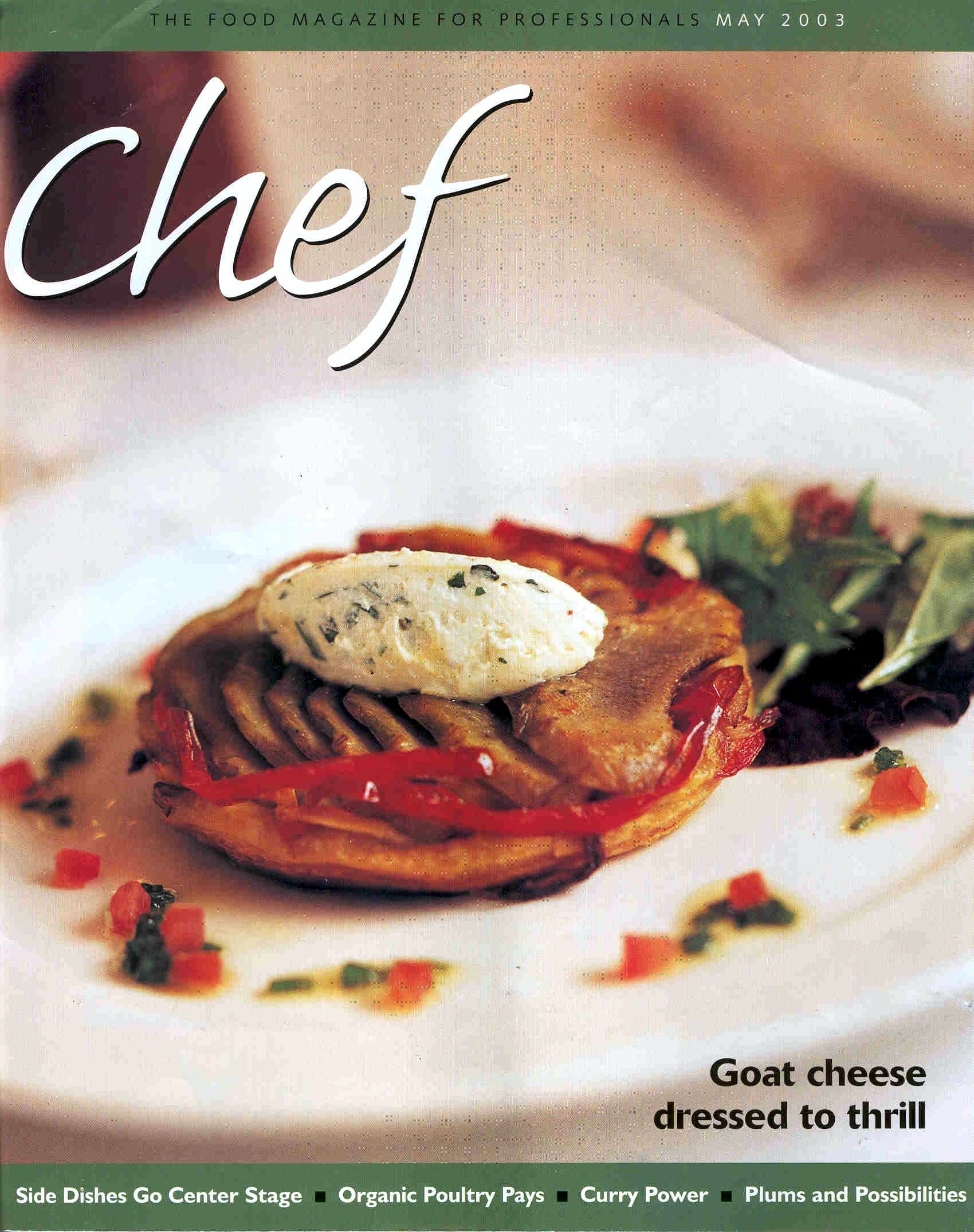
Line the pan with oiled parchment paper. As the cheese melts it can seep through the apples and cause the tarte to stick when flipped. Arrange the apple slices in a concentric circle over the parchment. Slice the cheese and lay it evenly over the apples. Top with the dough, tucking the edges down around the sides.
Bake until the crust is golden brown, 25 to 30 minutes. Cool briefly, invert onto a plate, peel off the parchment, and serve immediately.
Artichoke Tarte Tatin
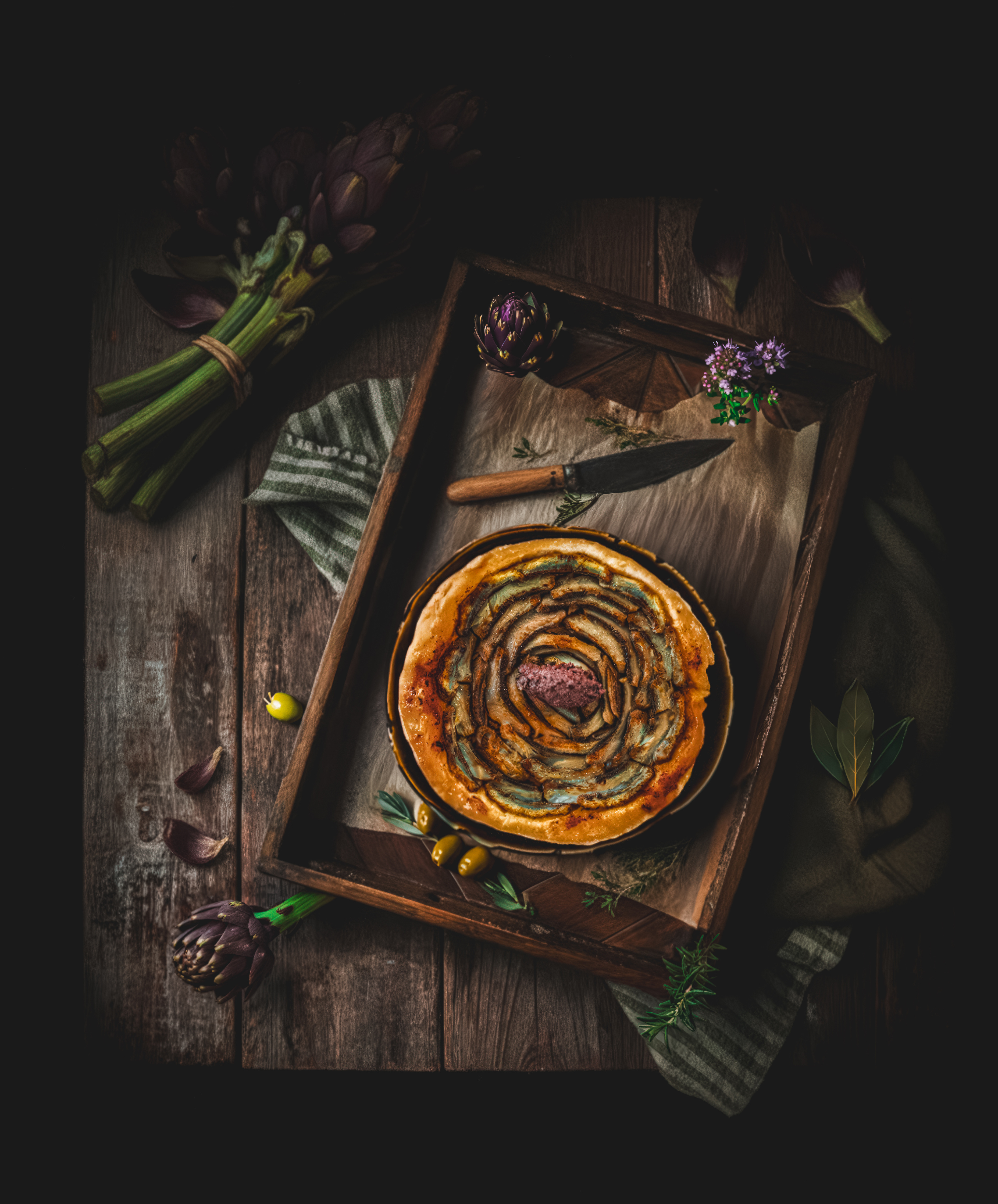
I learned to cook at my mother's apron strings, and she made tarte tatins the way other mothers made sandwiches. When I became chef of a Southern French restaurant in Chicago, I decided to honor her Provençal roots with a savory version built around artichokes, fennel, goat cheese, and olives. It became a signature dish that followed me throughout my career. The tarte can be prepped a few hours ahead and cooked at the last minute. Serve with a simple green salad in vinaigrette or alongside diced roasted beets.
Prep: 45 minutes | Cook: 45 minutes | Makes: one 12-inch tarte, serves 6
Ingredients
For the artichokes:
½ lemon, sliced
2 tablespoons olive oil
2 quarts (2 liters) water
Pinch of salt
Pinch of herbes de Provence
4 large artichokes
For the tarte:
2 tablespoons olive oil
1 onion, sliced thin
1 fennel bulb, sliced thin
1 sweet pepper, sliced thin
2 cloves garlic, minced
1 teaspoon sea salt
½ teaspoon black pepper
3 ounces (85 g) fresh goat cheese
1 cup (240 ml) tapenade
One 12-inch circle of puff pastry
Instructions
To prepare the artichokes, remove the stem at the base, peel away the dark outer leaves with a sharp paring knife, rotating as you go, and cut across the top just above where the leaves turn pale. Scoop out the choke with a small spoon. If you’ve never trimmed artichokes before, this video makes it easier.
Drop the trimmed bottoms into a pot with the lemon, olive oil, water, salt, and herbes de Provence. Bring to a boil, reduce to a simmer, and cook until a paring knife slides in without resistance, about 20 minutes. Drain and refrigerate until cool.
To make the vegetables, warm the olive oil in a wide pan over medium heat. Add the onion, fennel, and pepper and cook until soft, 5 to 8 minutes. Add the garlic and cook 2 minutes more. Season with salt and pepper. Remove from the heat and let cool. Everything up to this point can be done the day before.
Preheat the oven to 400°F (200°C). Line a 12-inch ovenproof skillet with oiled parchment paper. Slice each artichoke bottom about ⅛ inch (3 mm) thick and arrange in overlapping concentric circles over the parchment. Spread the cooked vegetables over the artichokes, then scatter pieces of goat cheese over the top. Lay the puff pastry over everything and tuck the edges neatly around the sides.
Bake on the bottom shelf for 20 minutes, then move to the top shelf and continue until the pastry is deep golden brown, 15 to 20 minutes more. Invert onto a serving plate, peel off the parchment, and serve immediately with the tapenade alongside.
Notes from the Stove
The copper pan in Marie Souchon’s recipe matters more than it sounds. Copper conducts heat evenly and quickly, which is exactly what you need when caramelizing the bottom of a tarte without burning it before the pastry cooks through. A heavy stainless or cast iron pan is the modern equivalent. Whatever you use, make sure it can go from stovetop to oven.
The homemade dough makes a better tarte than puff pastry in all three versions. If you must use puff pastry, buy an all-butter brand. The cheese version benefits from the parchment lining. As the cheese melts it can seep through the apples and cause the tarte to stick when flipped. Peel it off before serving.
Wine Pairing
For the classic apple tart, a demi-sec Vouvray from the Loire Valley is the traditional answer, and it’s a good one. The honeyed chenin blanc echoes the caramel without competing with it, and the wine’s natural acidity keeps the whole thing from going cloying. Huet and Foreau are reliable producers; look for a recent vintage with some residual sweetness.
If Vouvray is out of reach, a German Spätlese Riesling does much the same work. The petrol edge that develops in older Rieslings is unexpectedly lovely against caramelized apple.
For the apple-cheese tarte with Camembert, consider a dry cider from Normandy or the Pays d’Auge. It sounds obvious, but apple on apple on apple works. If you’d rather pour wine, a light Burgundy, something from the Côte Chalonnaise, handles the fat of the cheese without overrunning the fruit.
The artichoke version wants something dry and herbaceous. A white Bandol or a Coteaux d’Aix-en-Provence rosé would be at home on the same table. The fennel and tapenade pull the dish toward the South, and the wine should follow.
Avoid anything heavily oaked with the apple versions. The barrel competes with the caramel and wins no one over.
Final Thought
The Tatin story is satisfying because it suggests that great cooking sometimes happens by accident, that a distracted moment in a crowded kitchen can produce something enduring. But the Souchon note tells a different story: someone, somewhere, put real thought into this tarte. A cook whose name we don’t know worked out the ratio of butter to sugar, the thickness of the dough, the order of operations. Fanny may have popularized it, but she was standing on someone else’s shoulders.
Most of the best recipes are like this. They arrive with a name attached, but behind the name there are dozens of unnamed cooks who spent years getting the details right. The accident is usually the last step, not the first.
Postcard from the Road
Vermont has gone straight to summer, the way it always does. The lawn needs mowing every other day just to keep the dandelions down, which spring up out of the earth the moment your back is turned. I leave for France soon, and with the trip on my mind, French food has been pulling at me more than usual. Tarte Tatin seemed like the right place to start.
Next time: maple crémée season. More on that soon.
Bon été from Vermont
Addresses
La Maison Tatin 5 Avenue de Vierzon, 41600 Lamotte-Beuvron, France www.lamaisontatin.fr
Domaine Huet 13 Rue de la Croix Buisée, 37210 Vouvray, France www.domainehuet.com
Thanks for the history and wonderful recipies.
Such a thought-full post, François! I am reminded of a tomato tarte renversée that i had somewhere in a country town near Lyons. Must look it up and add to this repertoire. Of course a tarte Tatin benefits from the divine (no other adjective will do) combination of apples, good butter and sugar. A real estate agent told me it’s the fastest way to sell a house—pull a tarte Tatin from the oven when a prospective buyer arrives to have a look.